{{ 'fb_in_app_browser_popup.desc' | translate }} {{ 'fb_in_app_browser_popup.copy_link' | translate }}
{{ 'in_app_browser_popup.desc' | translate }}
Occhio Talk | Interview with Jason Briscoe – Designer of Asia’s First JDV Boutique Hotel
Steinberg Hart is a legacy architecture firm founded in Silicon Valley with a family tradition spanning three generations. The company has offices throughout the United States and in China. Its Shanghai studio is located in a converted industrial building tucked away in a lane off North Shaanxi Road. The second floor houses the workspaces, while the ground floor resembles a private mini gallery used for creative events, meetings, and temporary exhibitions. This interview begins with Jason’s childhood interests.
Jason Briscoe
Partner, Steinberg Hart
2020 President of the AIA Shanghai/Beijing Chapter
Occhio Talk (OT): Why did you choose to become an architect?
Jason Briscoe (Jason):
From as early as I can remember, I had the sense that I would one day become an architect. My parents always gave me space to explore creatively. I was an imaginative child who loved making things, and I liked to keep my room neat and well-organized—it’s probably in my DNA. Inspired by both my parents and teachers, the path to architecture came naturally. I’ve always had a passion for shaping spaces—my childhood bedroom, my apartments, even other people’s homes. I care deeply about the environments we inhabit, because they affect how I feel, how I think, and my sense of well-being.
OT: What brought you to China?
Jason:
I came to China in 2010. At that time, the architectural market in the U.S. had been slow for several years. We were working on small, uninspiring projects. The firm began expanding to China, initially with a campus planning project in Hong Kong. Our current president, Steinberg, was already working in Shanghai, and he kept encouraging us, saying, “You’ve got to come to Shanghai!” So, we opened a studio there. It started small—just a few designers. The company wanted someone to come in and build up the entire team and manage operations to bring the projects to life. I visited, found it compelling, and within a month, I made the move.
OT: How do you interpret your firm’s design philosophy: “Sculpting space. Creating life”?
Jason:
Going back to why I became an architect—because I wanted to design the spaces around me. Spaces make me feel happy. They affect people’s emotions, even if we don’t always realize it. The same goes for light—the quality and temperature of light influences how we feel. That’s the logic behind “sculpting space.”
As architects, we’re often asked to design buildings—“to create and shape space”—but we don’t simply separate structure from experience. Take school buildings, for instance. While you study theory in classrooms, many life lessons actually happen in the spaces outside the classroom. That’s what we mean by “creating life.” We don’t just design buildings—we design the spaces where life unfolds.
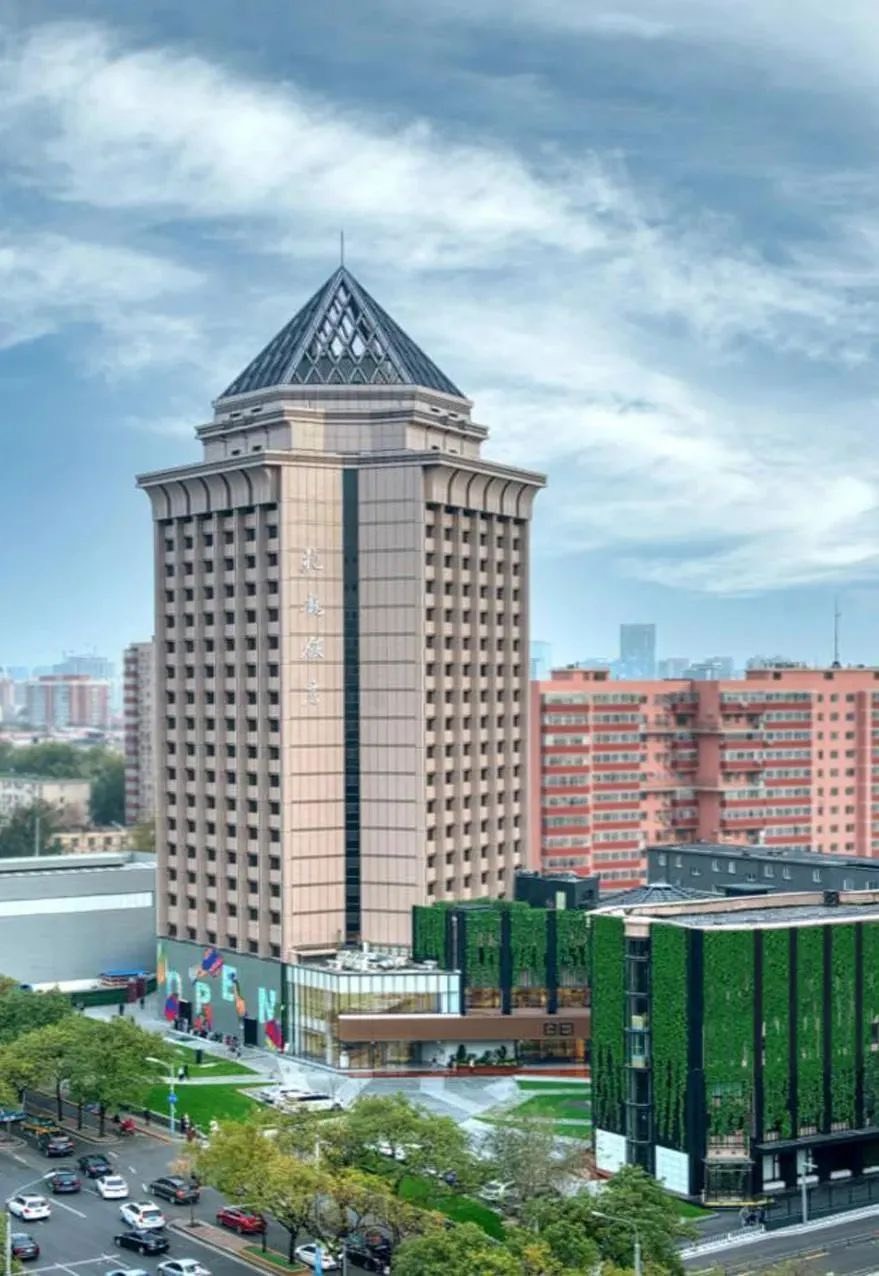
Asia’s First JDV Boutique Hotel – Hotel Zhaolong, Beijing
OT: Could you share the story of the Zhaolong Hotel project and how lighting design was used?
Jason:
Joie de Vivre—the brand’s name—means “joy of life” in French, and it captures the spirit of the entire project. A quote from Greek philosopher Epicurus inspired us: “It is not what we have, but what we enjoy, that makes us rich.” This philosophy shaped the hotel’s design from the ground up.
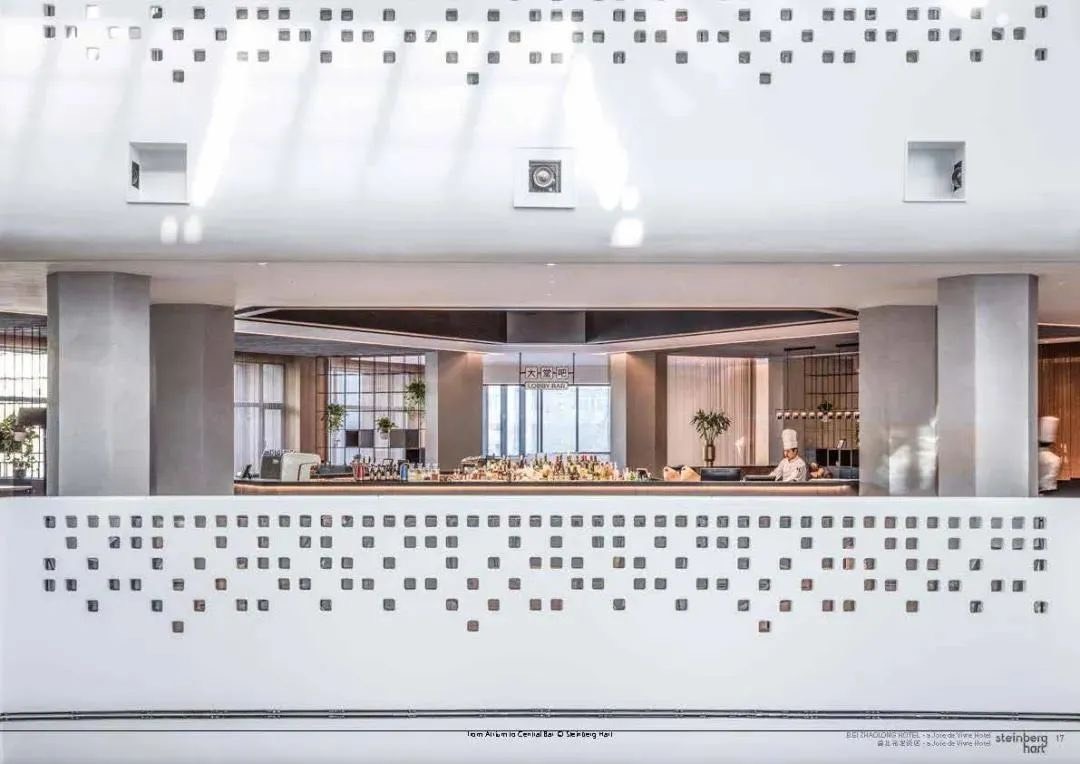
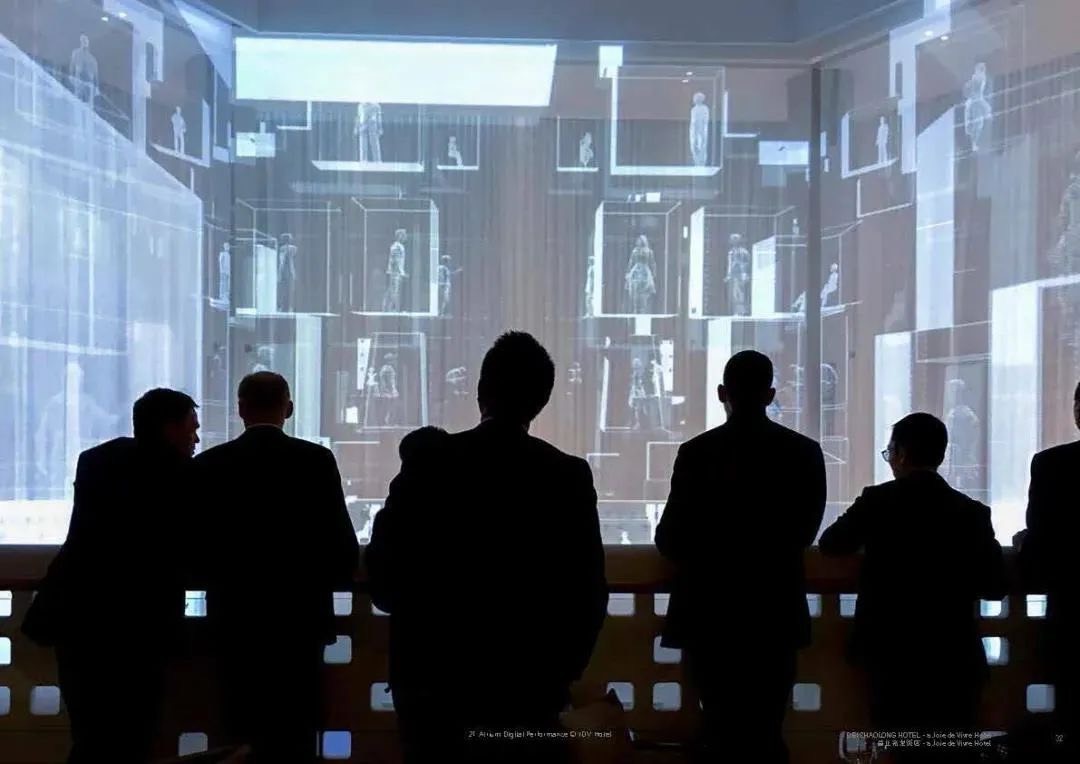
We removed the outdated double-glazed façade to let in more natural light. The atrium, once a quiet and restricted tea break space, is now a vibrant social hub equipped with advanced multimedia systems—ideal for hosting diverse events.
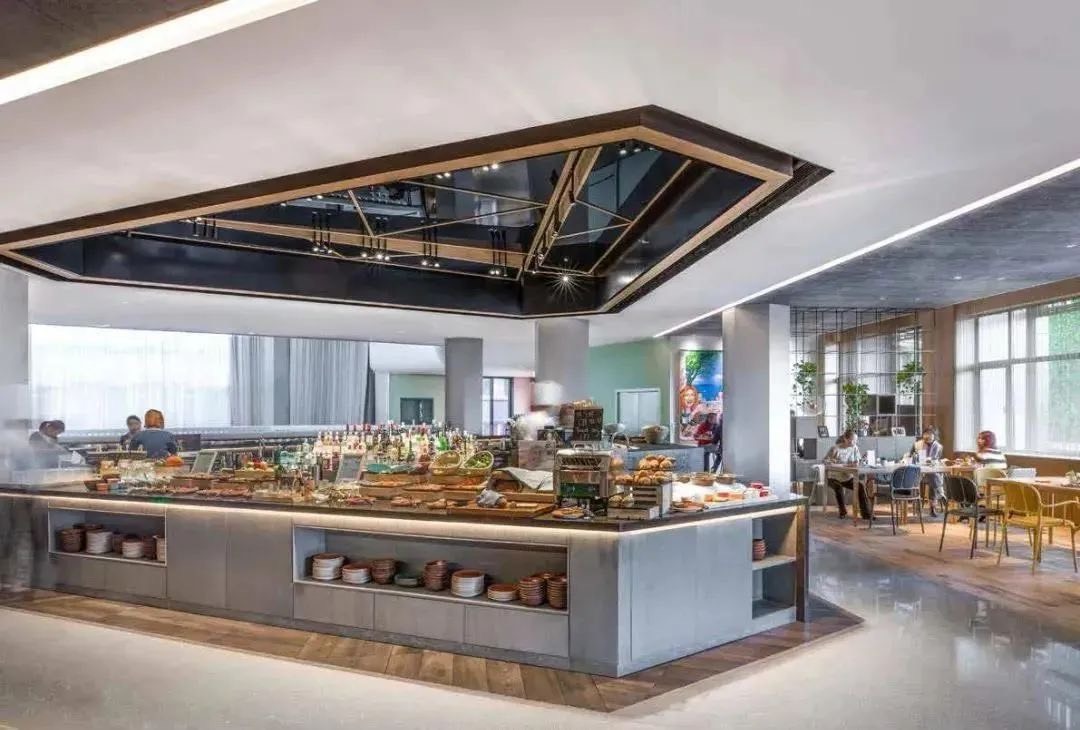
The hotel’s central bar is a dynamic space: in the morning it offers a rich breakfast experience, during the day it becomes a relaxed lounge for local professionals and shoppers, and by night, it transforms into a chic urban bar. A massive digital screen in the atrium displays immersive “urban memory” visuals, creating a cultural experience that syncs with the lighting design.
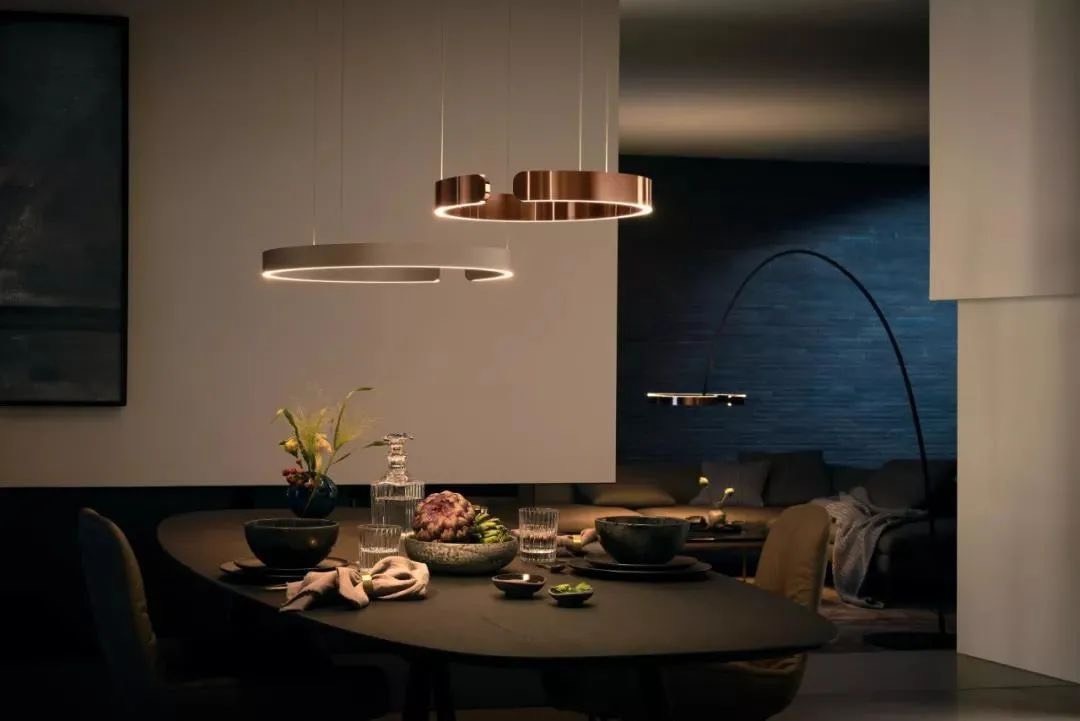
Lighting dramatically alters how we perceive materials. We used lighting variations to shift the mood of different zones: bright and energetic in the morning, highly functional during the day for informal meetings and work, and warm and atmospheric in the evening—like a chameleon adapting to every moment.
OT: What do you look for when choosing lighting fixtures?
Jason:
A lighting fixture must strike the right balance between performance, flexibility, and elegance—which can be hard to find. Sometimes you discover a fixture with excellent technical specs, but it lacks visual appeal. Other times, you find a visually striking piece that doesn't meet functional needs. It's always a balancing act.
OT: 2020 was a tough year. As AIA Shanghai/Beijing President, did you make any strategic shifts?
Jason:
It was definitely a pressure-filled year for every leader. Right after Chinese New Year, China was among the first to face the impact of COVID-19. It was a time of uncertainty, and everyone was struggling to understand what lay ahead. Early on, we launched a series of online forums. As an organization that serves design professionals, we focused on topics that were truly relevant and timely.
By summer, we organized a series of offline events—light on content, heavy on social interaction—because we saw that people simply needed to reconnect. In Q3, our attention shifted to our annual design awards. I consider this event one of our chapter’s most important traditions, and we ensured it would run smoothly. This year, we received 150 submissions and had an outstanding jury. We're excited for what’s to come.
OT: Have you introduced any new formats or ideas this year that you'd like to continue?
Jason:
Traditionally, design talks have followed a rather formal format—an architect presents a project, walks through the process, and that's it. While there’s value in that, it’s not what excites me the most. Architects are more than just designers—they’re problem-solvers, creative thinkers, and inventors of the future. What truly interests me is showing architects in unconventional roles—or highlighting non-traditional designers working on architectural projects. That’s the kind of content people genuinely want to see.